
- Mar 6
Hinamatsuri in Japan: The Beautiful Tradition of Girls’ Day
- Chani Japan
- 0 comments
Every year on March 3rd, homes across Japan celebrate a charming and meaningful tradition called Hinamatsuri (ひな祭り) — also known as Girls’ Day or the Doll Festival.
Elegant dolls are carefully displayed, families gather, and parents celebrate the happiness and health of their daughters.
But the story behind Hinamatsuri goes much deeper than beautiful decorations.
In my latest video, I explore the tradition here in Japan and show what Hinamatsuri looks like today.

What is Hinamatsuri?
Hinamatsuri is a Japanese cultural celebration that wishes for the health, happiness, and future success of girls.
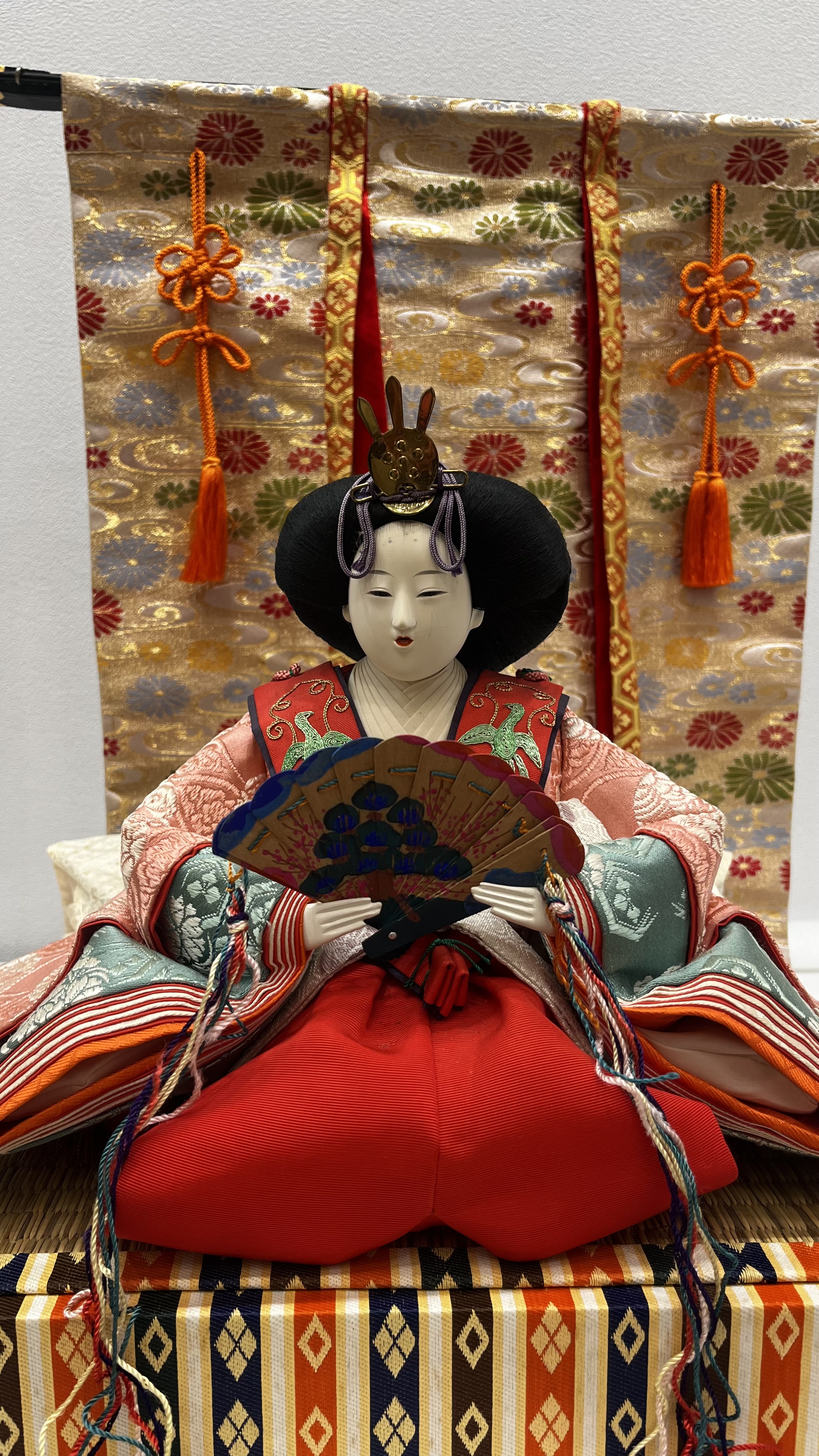
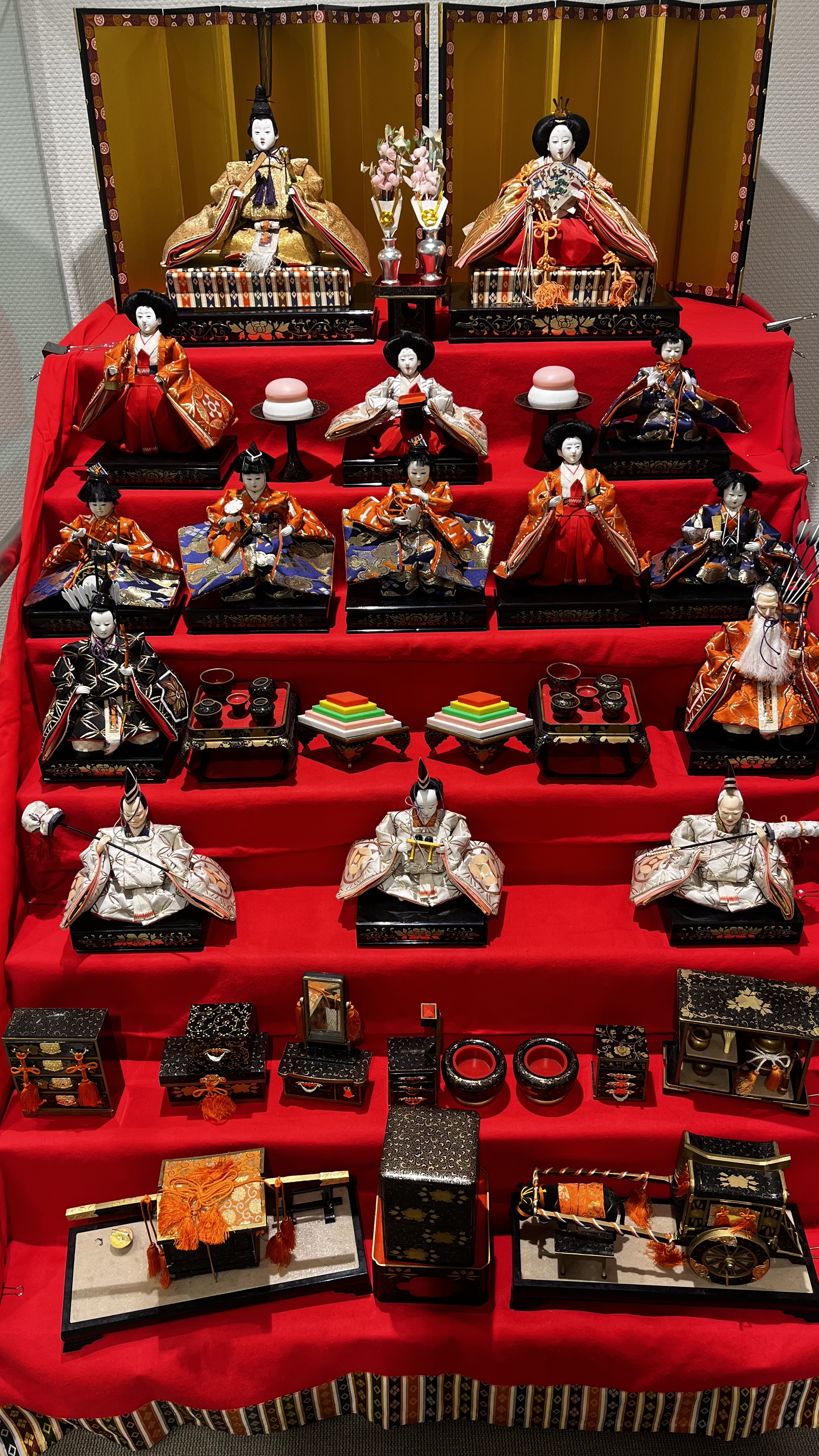
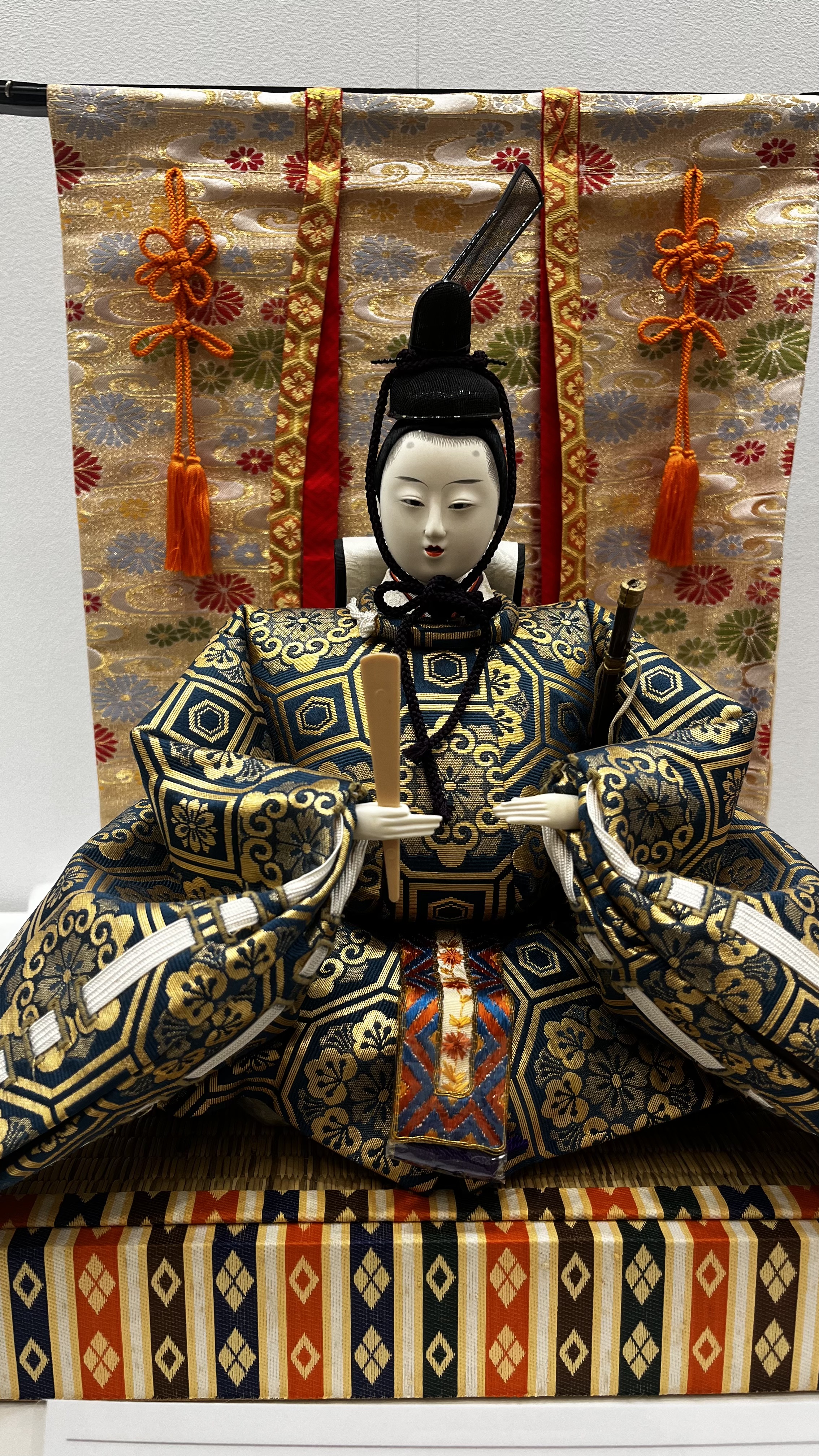
The centerpiece of the celebration is a tiered display of traditional dolls called "Hina Ningyo."
These dolls represent the Heian-era imperial court, and the display traditionally includes:
The Emperor and Empress
Court ladies
Musicians
Ministers
Miniature furniture and ceremonial items
The dolls are arranged on a red tiered platform called a "hinadan."
In many homes the display becomes a beautiful seasonal centerpiece.
The History of Hinamatsuri
The origins of Hinamatsuri go back over 1,000 years to the Heian period (794–1185).
At that time, people believed that dolls could carry away bad luck and misfortune.
Families would place small paper dolls in rivers in a ritual called nagashi-bina, symbolically sending away illness and bad spirits.
Over time this ritual evolved into the decorative doll displays we see today.
Traditional Hinamatsuri Foods
Like many Japanese festivals, food plays an important role in the celebration.
Some traditional Hinamatsuri dishes include:
Chirashi Sushi
A colorful sushi rice dish topped with vegetables, egg, and seafood.
Hishimochi
Diamond-shaped rice cakes in three colors:
Pink (health)
White (purity)
Green (growth)
Hina Arare
Sweet colorful rice crackers often enjoyed by children.
Shirozake
A sweet traditional rice drink sometimes served during the festival.
These foods symbolize health, happiness, and prosperity.
Hinamatsuri Displays in Japan Today
Across Japan, Hinamatsuri displays appear in many places:
Homes
Shopping arcades
Museums
Cultural festivals
Historic towns
Some towns create massive displays with hundreds or even thousands of dolls.
It’s one of the most visually beautiful seasonal traditions in Japan.
Why the Dolls Must Be Put Away Quickly
There is a famous superstition in Japan:
If the Hinamatsuri dolls are left out too long after March 3rd, a daughter may marry late.
Because of this belief, many families pack the dolls away soon after the festival ends.
Whether people believe the superstition or not, it remains part of the tradition.
Experiencing Hinamatsuri in Wakayama
Living in Japan allows me to experience traditions like Hinamatsuri up close.
In my newest video I visited a Hinamatsuri display here in Wakayama, where thousands of dolls were arranged in a stunning historical setting.
It was a beautiful reminder of how deeply traditions are woven into everyday life in Japan.
If you would like to see the displays and learn more about the tradition, you can watch the full video here.
Why Japanese Traditions Still Matter Today
What I love about traditions like Hinamatsuri is that they connect past and present.
Even in modern Japan, families continue to celebrate cultural traditions that have been passed down for centuries.
They remind us to slow down, mark the seasons, and celebrate the people we love.
Watch the Full Hinamatsuri Video
If you're curious about how this tradition looks today, I filmed my experience visiting a Hinamatsuri display in Japan.
You can watch the full video here: