- Apr 27
A Visitor’s Guide to Aizu & Nakadori, Fukushima
- Chani Japan
- 3 comments
A slower, more traditional side of Japan
When most people think of Japan, they picture Tokyo, Kyoto, or Osaka. But there’s another side—quieter, more traditional, and deeply rooted in craftsmanship and history.
After spending time in Aizu and Nakadori in Fukushima, I realised this region isn’t about rushing between sights. It’s about slowing down, experiencing things with your hands, and seeing how much history is still alive today.
If you’re planning a visit, here’s what makes this part of Fukushima worth your time.
Aizu: Where Tradition Still Feels Alive
Aizu is often described as the heart of traditional culture in Fukushima—and once you arrive, it’s easy to see why.
This is a region shaped by samurai history, craftsmanship, and resilience, where many traditions haven’t just been preserved—they’re still part of daily life.
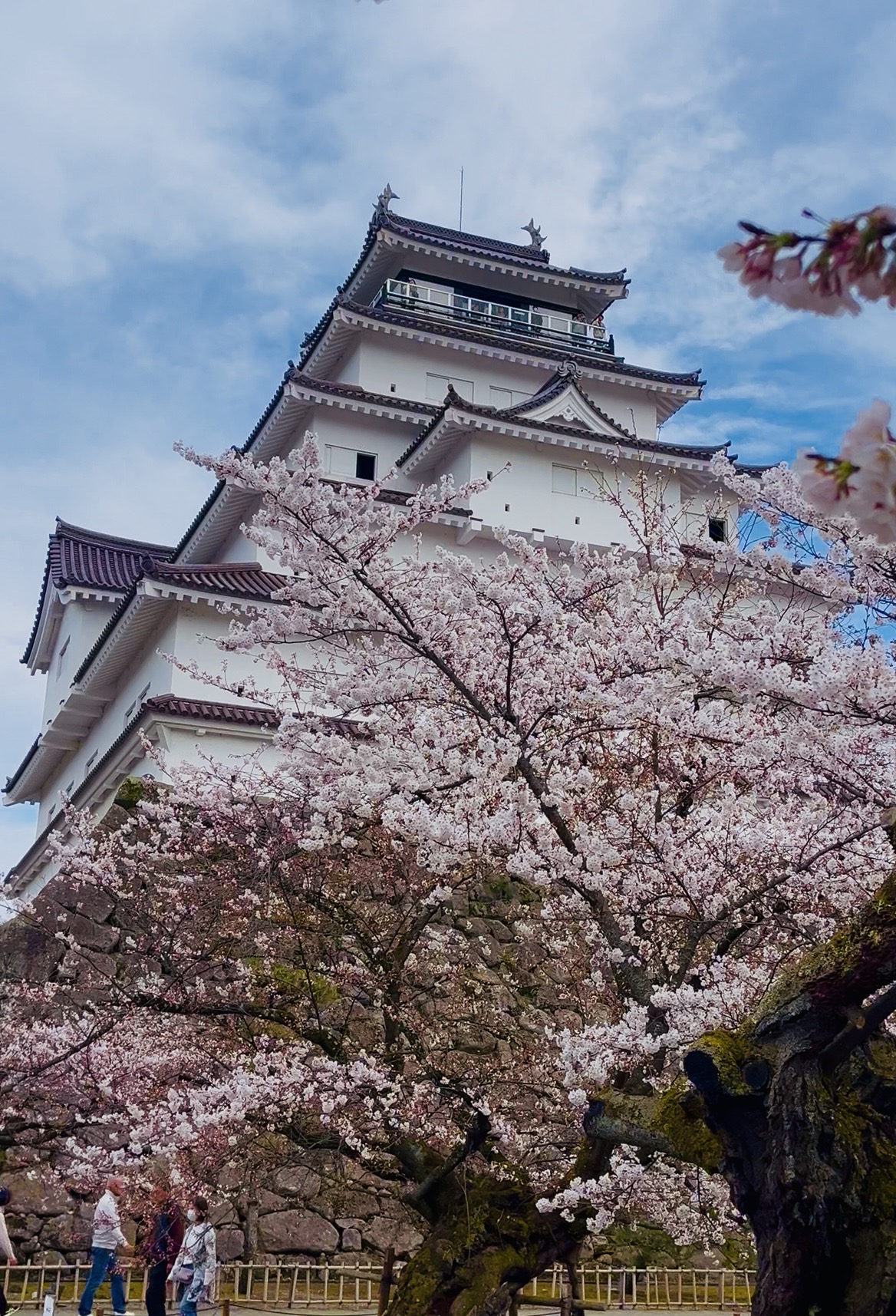
🏯 Tsuruga Castle — A Symbol of Aizu
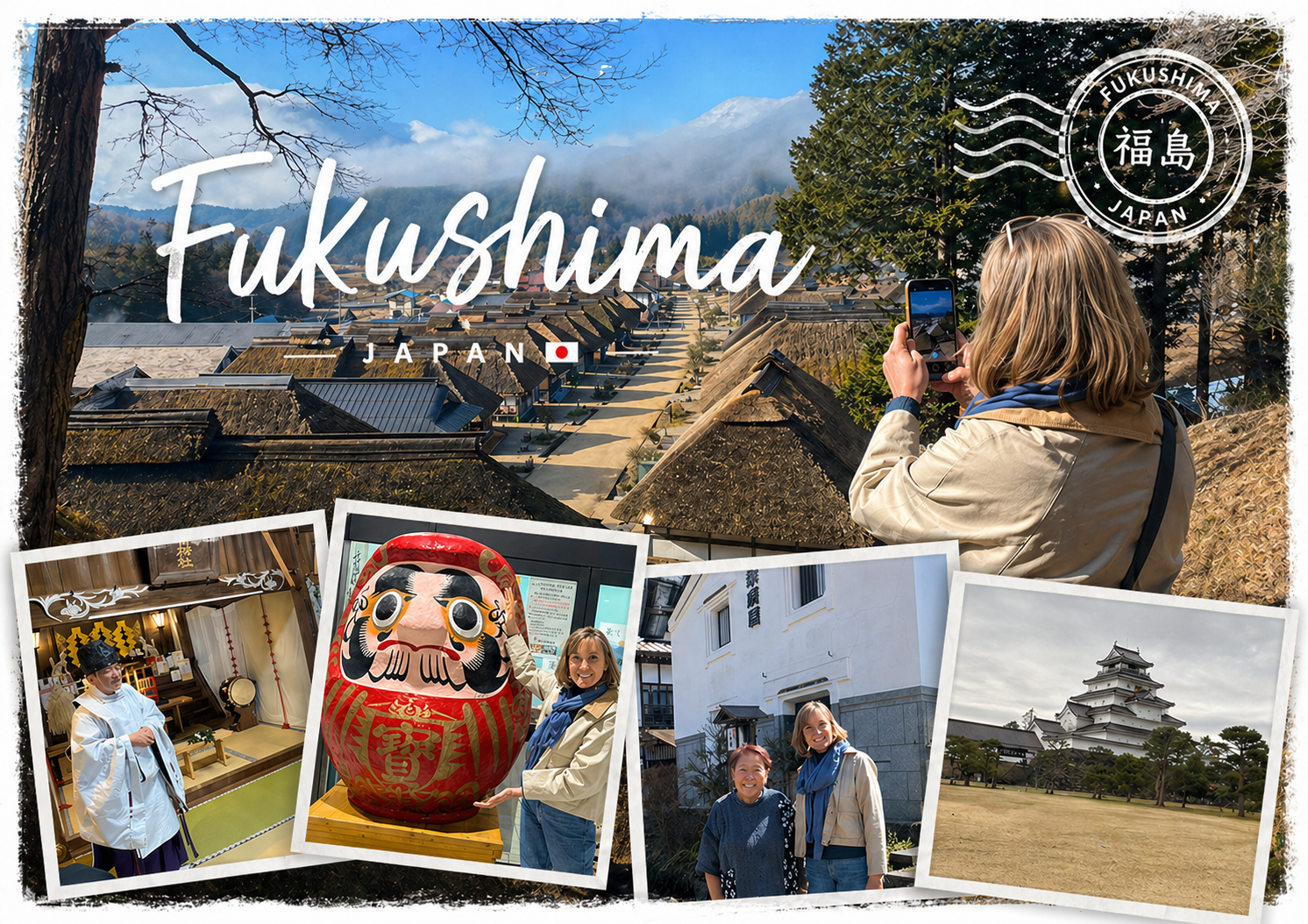
At the centre of Aizu sits Tsuruga Castle, one of the most important historical sites in the region.
The castle played a major role during Japan’s samurai era and later during the Boshin War, marking the end of the samurai period. Today, it stands as a reminder of Aizu’s strong identity and loyalty.
Surrounded by cherry blossoms in spring, it’s one of those places that feels both peaceful and powerful at the same time.
🎨 Aizu Lacquerware — 400 Years of Craftsmanship
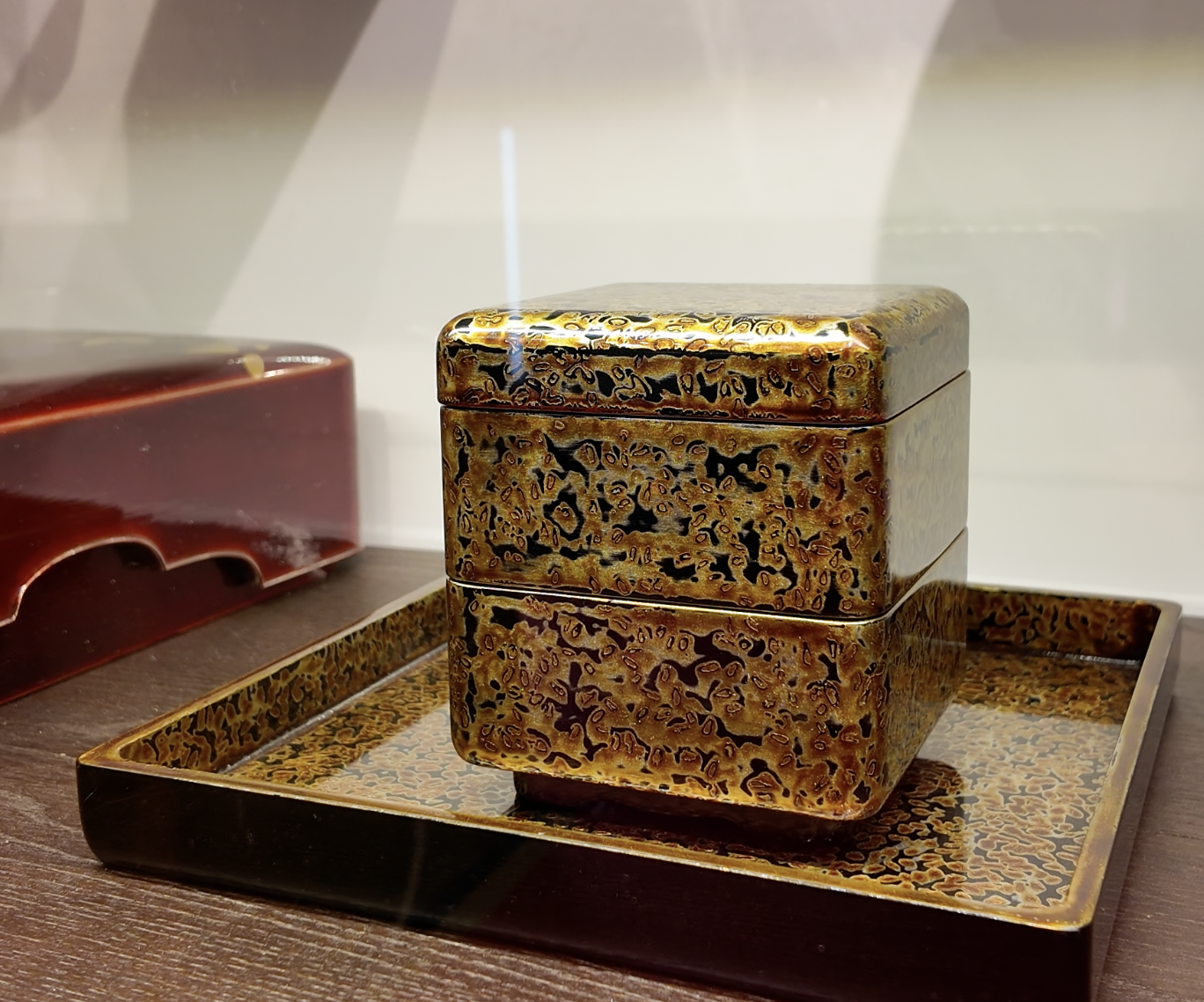
One of the most fascinating parts of visiting Aizu is seeing its traditional crafts up close.
Aizu lacquerware (Aizu-nuri) has been produced here for over 400 years, originally encouraged by feudal lords to develop the region’s economy.
What makes it special:
Built layer by layer using natural lacquer
Highly durable and resistant to water and heat
Often decorated with gold powder techniques (maki-e)
Watching artisans work is a completely different experience from seeing the finished product. You start to understand just how much patience and precision goes into something that might look simple at first glance.
🏺 Aizu Pottery — Hands-On Experiences
Aizu is also known for its pottery traditions, especially Aizu Hongo ware, one of the oldest pottery styles in the Tohoku region.
The best way to experience it is to try it yourself.
Sitting at a pottery wheel, you realise very quickly:
👉 it’s harder than it looks
👉 and a lot more satisfying than expected
Hands-on experiences like this are common in Aizu, where visitors are encouraged to touch, create, and learn, not just observe.
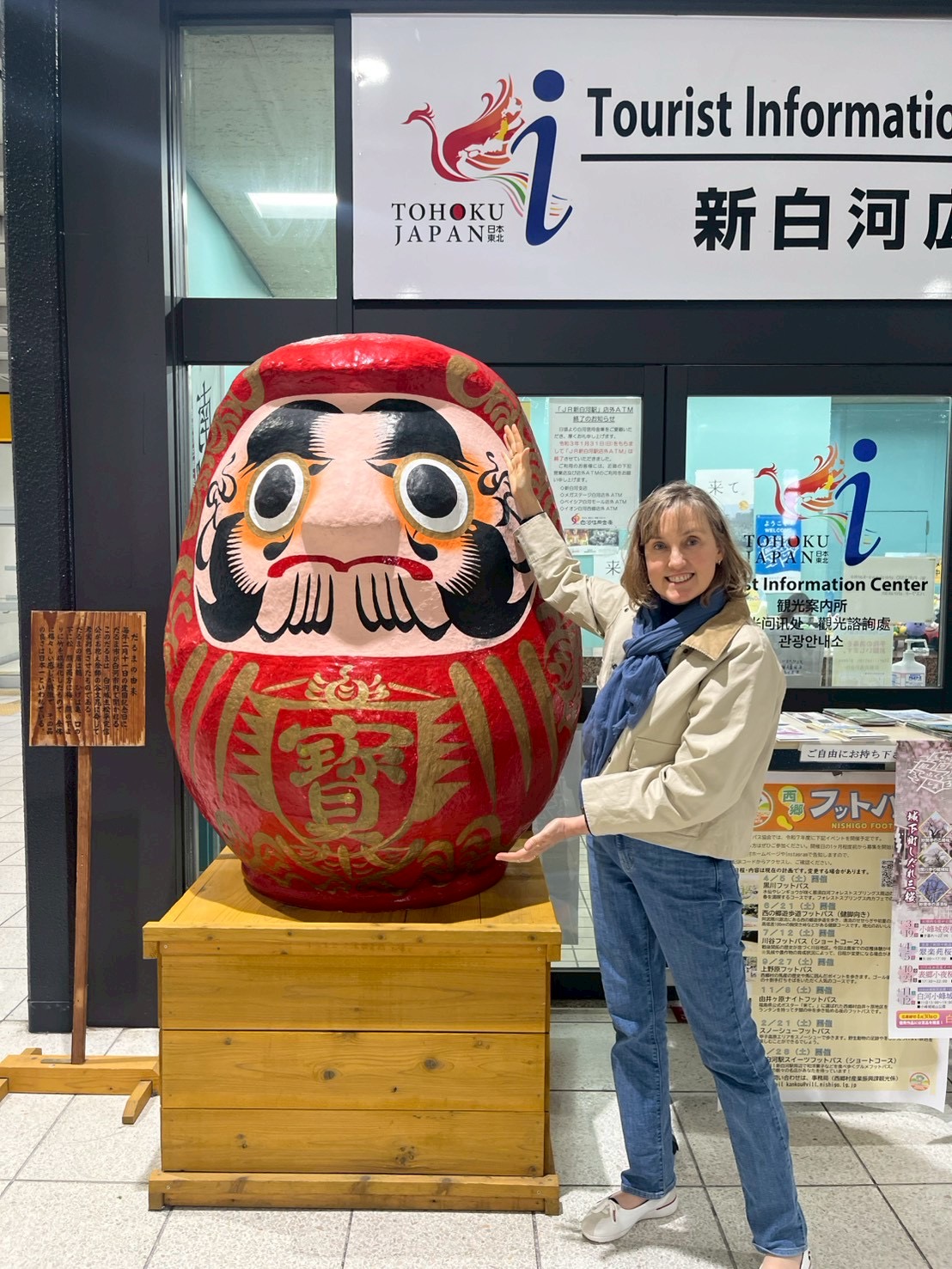
🎎 Daruma — More Than Just a Souvenir
Another traditional craft you’ll come across in Fukushima is the daruma doll.
These round, red dolls are symbols of:
perseverance
good luck
goal-setting
Traditionally, you fill in one eye when you set a goal, and the other when you achieve it.
Painting one yourself gives it a completely different meaning—it becomes personal, not just something you buy. You can do this if you visit Daruma Land in Fukushima.
Ouchi-juku — Stepping Back into the Edo Period
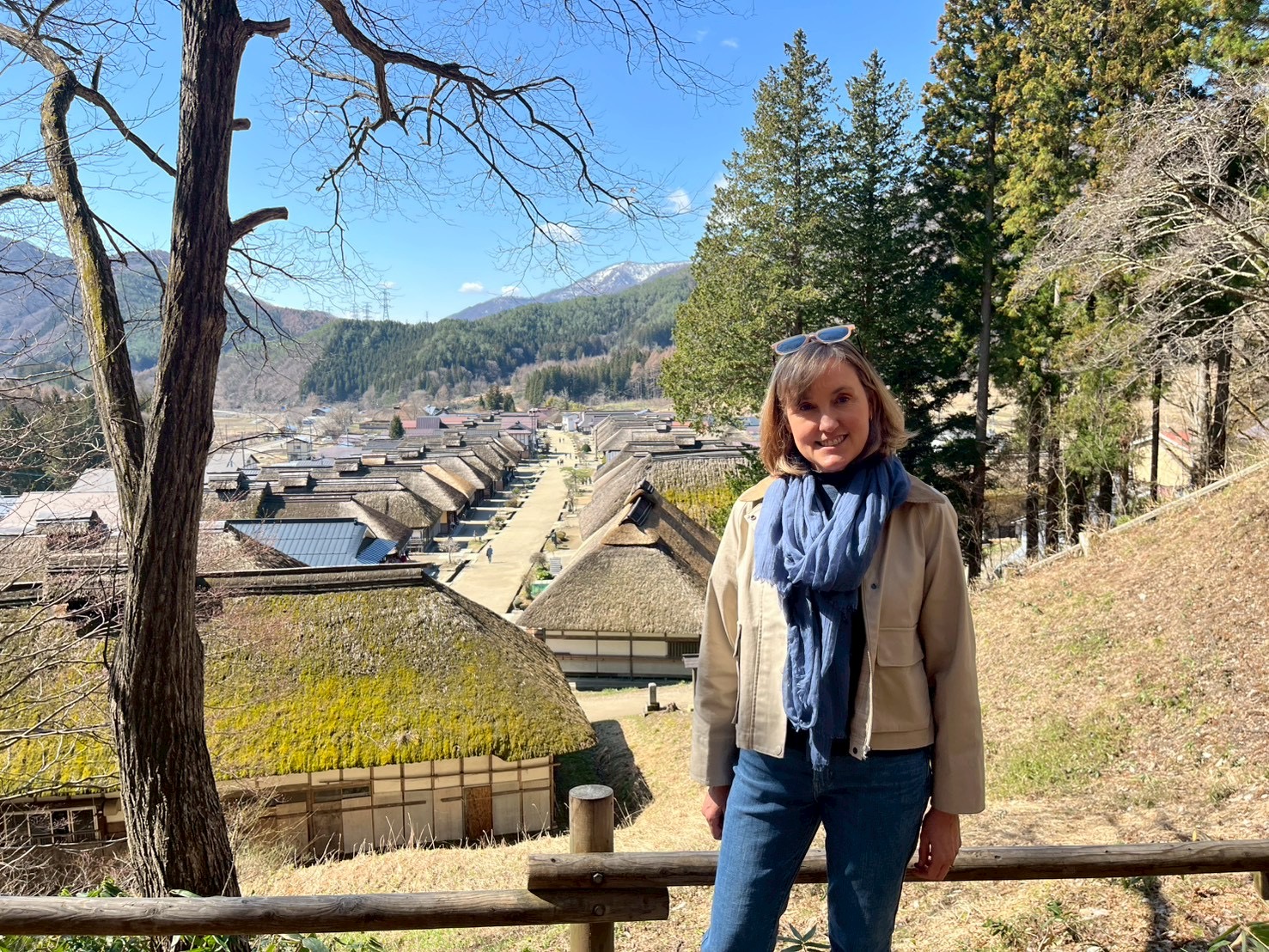
One of the most memorable places in Aizu is Ouchi-juku.
This former post town dates back to the Edo period, when travelers would stop here along the route connecting Aizu to other parts of Japan.
What makes it unique:
Rows of traditional thatched-roof houses
Preserved streets that look almost unchanged for centuries
A complete absence of modern buildings
Because new transport routes bypassed the town in the Meiji period, it avoided modernisation—and today, it remains one of the best-preserved historical villages in Japan.
Walking through Ouchi-juku doesn’t feel like visiting a tourist site.
It feels like stepping into a different time.
Nakadori: A Gateway to Fukushima
While Aizu is where you’ll spend most of your time exploring tradition, Nakadori is often your entry point into the region.
This central area connects major cities like:
Koriyama
Fukushima City
It’s also where you’ll find:
museums
exhibitions
seasonal events
One standout experience is the Grand Van Gogh Exhibition, which highlights Fukushima’s cultural reach and its connection to global art.
Why Visit Fukushima?
Fukushima is a region that has rebuilt itself quietly over time.
What you’ll notice isn’t just the scenery—it’s the people, the craftsmanship, and the sense of care in everything.
It’s not about ticking off famous landmarks.
It’s about:
learning something new
slowing down
experiencing a deeper side of Japan
I didn't even mention the Tatami Village, The 100 torii gate shrine and so much more! See the video if you missed it:
Final Thoughts
If you’re looking for:
traditional Japan without the crowds
hands-on cultural experiences
places that still feel authentic
Aizu and Nakadori are worth adding to your itinerary.
It’s a different kind of travel—less about seeing more, and more about feeling more.
Check out the Fukushima Destination Campaign for more information: LINK
I hope you enjoy receiving the next postcard 🌸
3 comments

Great information, beautiful photos, and well written. I’m definitely going to keep this information for when I vacation to Japan.

This was one of my favourite videos of yours. It is a region I have wanted to visit for a long time. Your information was so useful. Thank you always for posting such interesting content.
Really enjoying your blogs, a welcome addition to the cool hidden pages in Japan.